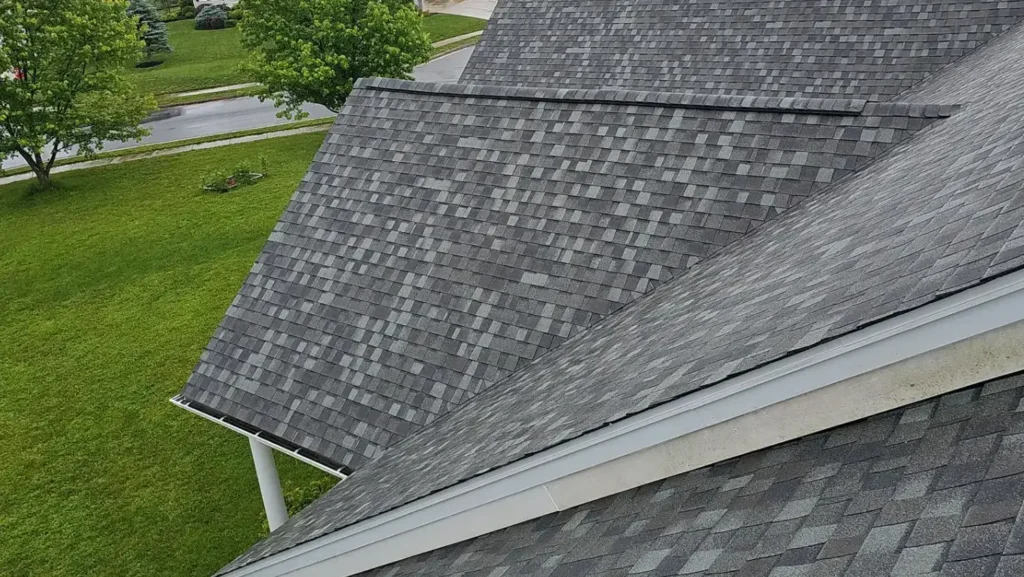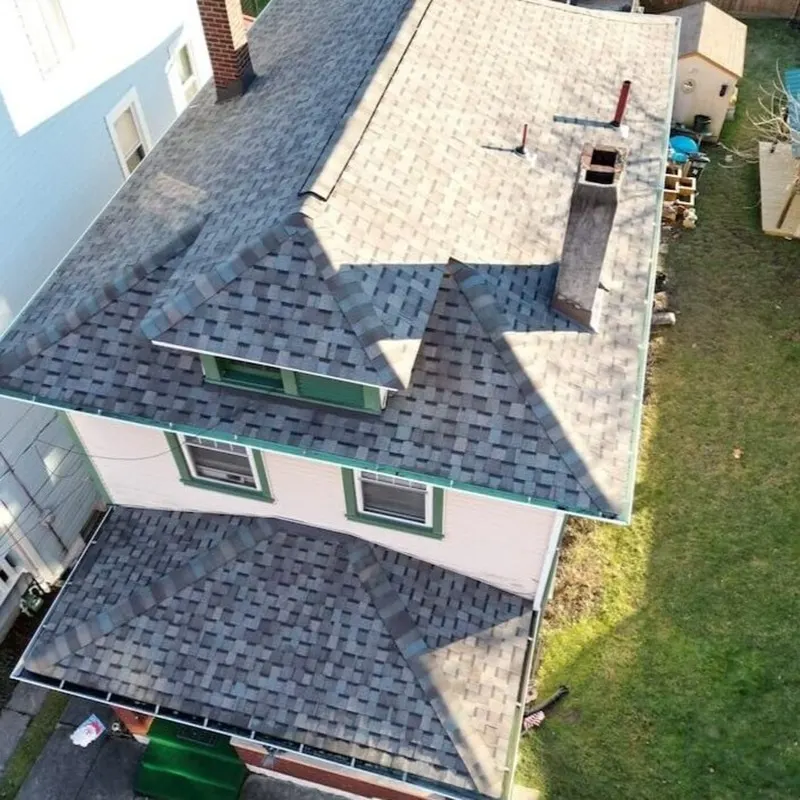
After a Florida storm rolls through, your roof can look fine from the driveway and still be hiding real damage. High winds, wind driven rain, hail, and flying debris often harm a roof in ways you cannot see from the ground, and those small problems grow into leaks, rot, and expensive repairs if they go unchecked.
Florida sees more severe weather than almost anywhere in the country, from summer thunderstorms to named hurricanes. That makes knowing the warning signs of hidden storm damage a smart habit for any homeowner here. Catching trouble early protects your home, keeps repair bills down, and gives you a stronger footing if you need to file an insurance claim.
This guide walks through the most common signs that your roof took a hit, even when it looks fine on the surface. We also cover how long a leak can hide, how to document damage for your insurer, what the Florida 25 percent roof rule means for you, and the smartest next steps after a storm.
A quick word on safety first: never get onto a storm damaged roof yourself. The checks below can be done from the ground or inside your home, and anything more is a job for a trained professional. For storm science and preparation, the National Hurricane Center tracks what is heading our way, and the Tampa based Insurance Institute for Business and Home Safety explains why the roof takes the hardest hit in severe weather.
Why Storm Damage Often Hides in Plain Sight
The tricky thing about roof storm damage is that the worst of it seldom shows up as an obvious hole. Wind lifts and creases shingles, then sets them back down looking almost normal. Hail bruises the surface without cracking it. Flashing loosens by a fraction. None of this leaks the first day, so many homeowners assume they came through the storm fine.
Weeks or months later, water finds those weak spots. By then the damage has spread to the decking, insulation, and ceilings below. That delay is the reason a careful look after every major storm matters, and why the pros catch things an untrained eye misses.
Signs Your Roof May Have Hidden Storm Damage
Walk your property after any strong storm and watch for these warning signs. Most can be spotted from the ground with binoculars or from inside your home.
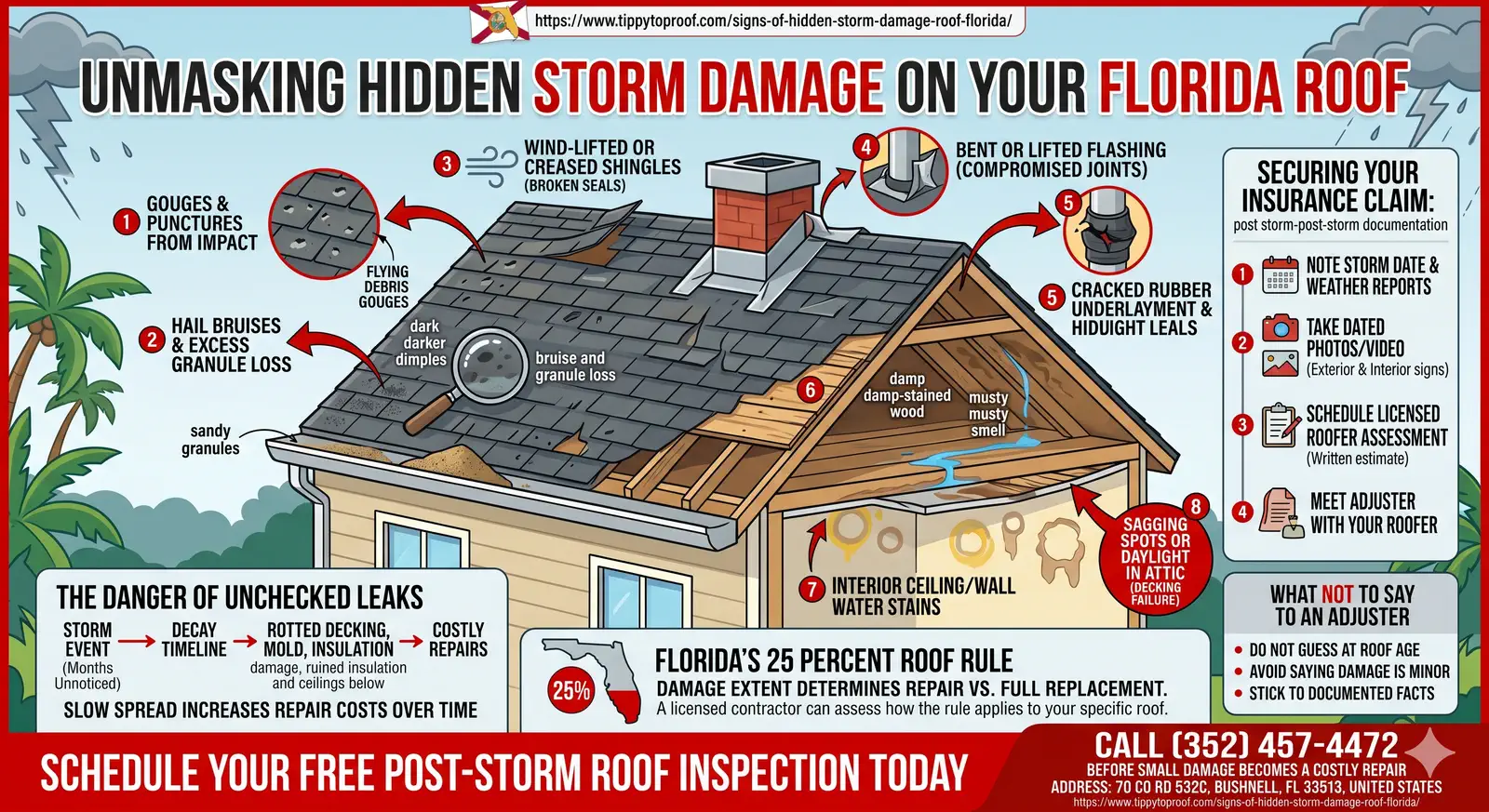
- Granules collecting in gutters and downspouts: Asphalt shingles are coated in mineral granules that shield them from the sun. After a hailstorm or heavy wind, you may find piles of these coarse, sandy granules in your gutters or at the base of downspouts. Heavy granule loss is one of the clearest signs the shingle surface took a beating.
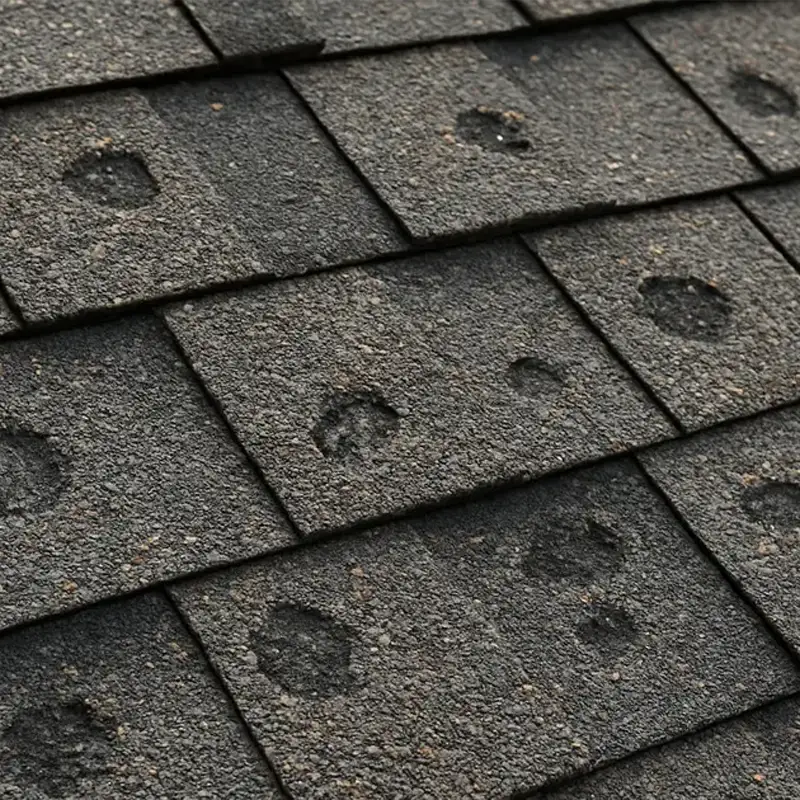
- Dark spots or bruises on shingles: Hail and debris leave behind soft, darker dimples where the protective granules were knocked loose. These bruises weaken the shingle and speed up aging, even though they may not leak right away.
- Lifted, curled, or creased shingles: Wind can break the seal that bonds each shingle to the one below, lifting edges or leaving a horizontal crease line. Once that seal breaks, the shingle no longer sheds water the way it should, and the next storm can tear it off.
- Missing or loose shingles: Bare patches where shingles blew off are an obvious red flag, but partial damage counts too. A shingle that shifts under a light touch or shows exposed nails has lost its grip.
- Bent, lifted, or damaged flashing: Flashing is the metal that seals joints around chimneys, vents, and skylights. Storms bend, loosen, or peel it back, opening a direct path for water. Flashing failures are a leading cause of hidden leaks.
- Damaged vents, boots, and skylights: The rubber boots around plumbing vents crack and tear in storms, and skylight seals give way. These small penetrations are easy to overlook and a common entry point for water.
- Water stains on ceilings or attic wood: Inside your home, a yellow or brown ring on the ceiling, peeling paint, or damp, stained wood in the attic all point to water that has found its way in. A musty smell in the attic is another clue.
- Debris and impact marks: Branches, limbs, and airborne objects dent and puncture roofing during a storm. Even if the debris is gone, the gouges and scrapes it left behind break the roof surface and invite leaks.
- Sagging spots or daylight in the attic: A roof that dips in places, or any daylight showing through the attic boards, signals serious trouble with the decking or structure underneath. This needs a professional look without delay.
If you spot any of these, the safest move is a professional roof inspection before the next storm makes things worse. Our storm damage repair team checks every one of these points up close.
Storm Damage Signs by Cause
Different storm forces leave different fingerprints on a roof. Use this quick reference to match what you are seeing to the weather that may have caused it, so you know where to look first.
| Storm Force | Common Signs It Leaves | Where to Check |
| High wind | Lifted, curled, or creased shingles, missing shingles, bent flashing | Roof edges, ridges, and flashing |
| Hail | Dark bruises, dented shingles, granules in gutters | Shingle surface, gutters, downspouts |
| Flying debris | Gouges, punctures, and impact marks | Open roof field and around penetrations |
| Wind driven rain | Water stains, attic moisture, musty smell | Ceilings, attic, and around vents and skylights |
How Long Can a Roof Leak Go Unnoticed?
This is one of the most common questions homeowners ask, and the answer is unsettling: a roof leak can hide for months, sometimes more than a year, before you see a stain on the ceiling. Water often travels along rafters and runs far from the actual entry point, soaking insulation and wood the whole way.
The longer a leak hides, the more it costs to fix. What might have been a simple shingle repair becomes rotted decking, ruined insulation, mold growth, and damaged drywall. That slow, silent spread is why a post storm inspection pays for itself. Keeping up with our roof maintenance tips between storms helps you catch the early clues too.
How to Document and Prove Storm Damage
If your roof was hit, good documentation makes the difference between a smooth insurance claim and a denied one. Here is how to build a solid record.
Steps to Take After a Storm
Start by noting the date of the storm and any local weather reports. From the ground, take clear, dated photos and video of any visible damage, debris, and fallen branches. Photograph interior signs too, such as ceiling stains or attic moisture. Save receipts for any emergency work, like tarping, that you pay for to prevent further damage. The Insurance Information Institute recommends keeping an inventory of damage and holding on to damaged materials until your adjuster has seen them.
Then bring in a licensed roofer for a professional assessment. A roofer documents damage you cannot reach in safety, provides a written estimate, and can meet your insurance adjuster on site to make sure nothing is missed. After a major storm, our emergency roofing crew responds fast, and emergency tarping protects your home while the claim moves forward.
Storm Damage Documentation Checklist for Insurance Claims
Strong documentation is the backbone of a successful storm damage claim. The checklist below shows what to gather and why each item strengthens your case with the insurer.
| What to Document | Why It Matters |
| Storm date and local weather reports | Ties the damage to a specific covered event |
| Dated exterior photos and video | Shows visible damage before any repairs |
| Interior photos of stains and attic moisture | Captures hidden water intrusion |
| Receipts for emergency work such as tarping | Supports reimbursement for temporary repairs |
| A licensed roofer written assessment | Provides a professional record of the damage |
| Damaged materials kept until the adjuster visits | Lets the adjuster verify the loss in person |
What Not to Say to an Insurance Adjuster
When the adjuster visits, stick to the facts and let the evidence speak. Do not guess at the age of your roof or admit to skipped maintenance, since that can be used to reduce or deny a claim. Avoid saying the damage is minor or that you are not sure it is storm related. Instead, share your dated photos, your roofer’s written assessment, and the storm date, and let the professionals document the rest.
What Is the 25 Percent Roof Rule in Florida?
Florida building code has long included a rule connected to roof repairs. Under the older standard, if a storm damaged more than 25 percent of a roof, the entire roof section often had to be brought up to current code, which in practice meant a full replacement rather than a patch. Recent state law has eased how this applies to roofs built or replaced under newer codes, but the principle still affects many repair decisions.
What this means for you is simple: the extent of your storm damage can determine whether you are looking at a repair or a full roof replacement. A licensed contractor can assess the damage, explain how the rule applies to your specific roof, and help you understand your options before you commit.
What to Do If You Suspect Storm Damage
Acting fast after a storm protects both your home and your wallet. Prepare before the season by reviewing your policy and securing your property, a step echoed by the readiness guidance at Ready.gov. After a storm, do a careful ground level check using the signs above, document anything you find, and call a professional for a full inspection.
From there, prompt roof repairs stop small problems from spreading. If you are not sure who to trust with the work, our guide on choosing a roofer walks through what to look for in a licensed, insured local contractor.
Get a Free Storm Damage Inspection in Bushnell and Central Florida Today
Tippy Top Roof Repair is a family owned, licensed and insured roofing company serving Bushnell, Florida and the surrounding communities. If a storm has rolled through, our experienced team will check your roof from top to bottom, document any damage, and give you honest guidance and a free estimate built for Florida weather.
Do not wait for a small problem to become a big one. Call us at (352) 457-4472 or stop by 70 County Road 532C, Bushnell, FL 33513. You can also contact us to schedule your free storm damage inspection today.
Tippy Top Roof Repair
Address: 70 Co Rd 532C, Bushnell, FL 33513, United States
Phone Number: (352) 457-4472
Google Maps: Find Us Here
Business Hours:
Monday: Open 24 hours
Tuesday: Open 24 hours
Wednesday: Open 24 hours
Thursday: Open 24 hours
Friday: Open 24 hours
Saturday: Open 24 hours
Sunday: Open 24 hours
Frequently Asked Questions
How do I know if my roof has hidden storm damage in Florida?
Hidden storm damage often shows up as lifted flashing, compromised underlayment, granule loss in gutters, or subtle water stains on interior ceilings days after a storm passes. Because much of this damage is not visible from the ground, a professional post-storm roof inspection from a licensed roofing contractor is the only reliable way to identify everything a storm left behind.
How soon after a storm should I have my roof inspected in Florida?
As soon as possible. Florida’s year-round humidity means moisture that enters through storm-compromised areas can cause wood rot, mold growth, and structural damage within days of a weather event. Tippy Top Roof Repair recommends scheduling a professional roof inspection within 24 to 72 hours after any significant storm in Bushnell or Sumter County.
Can storm damage occur without any missing shingles?
Yes, and this is the most common form of hidden roof damage Florida homeowners miss. High winds can lift shingle edges just enough to break the adhesive seal without displacing the shingle completely. This allows wind-driven rain to penetrate the underlayment and reach the decking below without any obvious visible signs from the ground.
What are the interior warning signs of hidden roof storm damage?
Watch for new water stains on ceilings or walls, peeling paint near rooflines, a musty odor in the attic, damp insulation, and daylight visible through attic boards. These interior signs often appear days after a storm and indicate that water has already penetrated the roofing system through a compromised area that looks intact from outside.
Does hail cause hidden roof damage in Central Florida?
Yes. Hail impact damages shingles by dislodging protective granules without cracking or visibly breaking the surface, leaving the asphalt layer exposed to UV degradation and moisture. This type of damage accelerates shingle aging significantly and is almost impossible to identify without a close professional inspection of individual shingles.
What does wind damage look like on a Florida roof?
Visible wind damage includes missing or lifted shingles, torn flashing, and displaced ridge caps. Hidden wind damage includes broken adhesive seals beneath shingles that appear intact, micro-cracks in shingle surfaces, and compromised underlayment at rake edges and eaves where wind uplift is strongest during severe Florida storms.
How does Florida’s storm season make hidden roof damage more likely?
Florida’s hurricane and storm season runs from June through November, generating repeated wind events, heavy rainfall, and windborne debris impacts. Each successive storm compounds existing minor damage, turning small compromised areas into active leaks over time. Many Bushnell and Sumter County homeowners discover hidden damage only after a second or third storm event reveals what the first one started.
Can storm damage void my roofing warranty in Florida?
It depends on your warranty terms. Some manufacturer warranties require prompt inspection and repair documentation after storm events to maintain coverage. Failing to address storm damage in a timely manner can be used to deny warranty claims if subsequent water intrusion causes further structural damage. Tippy Top Roof Repair provides detailed written inspection reports that help protect your warranty standing after any major weather event.
Should I get on my roof myself to check for storm damage?
No. Walking a potentially compromised roof after a storm is dangerous and can cause additional damage to already weakened areas. Inspect what you can safely see from the ground using binoculars, document any visible damage with photographs, and call a licensed roofing professional for a thorough physical evaluation. Tippy Top Roof Repair offers free post-storm roof inspections throughout Bushnell and Central Florida.
Does storm damage always show up immediately after a Florida storm?
Not always. Some hidden damage only becomes apparent days or weeks later when rainfall reveals a slow leak, or when temperature changes cause compromised materials to contract and separate further. This delayed discovery is why scheduling a professional inspection promptly after any significant weather event is far more reliable than simply watching and waiting for obvious signs to develop.